
PPDA and the Tale of 'Well-Managed Variance' in V-League: Lessons from a Former Esports Pro
There is a number that kept me awake all night back in March 2026: Long An's...
There is a number that kept me awake all night back in March 2026: Long An's PPDA of 7.8. No, not 7.8 points – that is the average number of passes opponents were allowed before Long An intervened. The lowest in the league. And they didn't lose a single match in those three rounds. 'Numbers never lie; we just haven't asked the right question yet.' I – Yoon Jae-sung, former StarCraft pro turned data journalist in Binh Duong – wrote a piece titled 'Low pressing is not cowardice.' A veteran coach called me a 'soulless number counter.' But the young assistant coach at Binh Duong FC invited me to draw pressing maps. They wanted to understand how the weakest team in the league could make opponents so frustrated. This story is not just about football. It's about how a former gamer saw what experienced coaches missed: the ordered chaos of V-League. 'In 2026, I staked my entire career on a probability model called Croatia.' But before Croatia, there was Long An. And before understanding 'well-managed variance,' I had to understand why a team with a PPDA of 7.8 could survive – even win – in Vietnam's top flight.
The context that brought me to Vietnam: in 2026, after retiring from esports due to a wrist injury, I accepted a journalist position at a new football website in Binh Duong. I knew nothing about football. I only knew how to read numbers. I bought a cheap laptop, hired two student assistants, and began manually recording V-League data from video tapes. Three seasons, 182 matches. I tracked PPDA, xG, touches inside the box, and dozens of other variables. The result showed that V-League is a mess – but every mess has its own rule. Long An was the clearest proof. They didn't press, they didn't control possession. They just camped in their own 40 meters, waited for opponents to make mistakes, and counter-attacked. And they did it with machine-like precision. The more the opponent kept the ball, the more chances Long An got. 'Croatia was not a miracle; it was a well-managed variance.' Long An was the same. They weren't lucky. They had a system, and that system was designed to exploit opponents' lack of patience. But what happens when such a team faces an equally patient opponent? I will return to that point at the end.

The core of this analysis lies in three data layers. First, the PPDA metric. If you are a Vietnamese football fan, remember: the lower the PPDA, the more the team presses. Long An had 7.8 – meaning they allowed fewer than 8 passes before intervening. But that wasn't pressing. That was 'lazy pressing' – they just stood in position, didn't chase the ball, but were ready to pounce when the ball came close. This is an energy-saving tactic. And it worked because V-League lacked teams capable of quick ball circulation. Second, conversion rate. Long An averaged only 2.3 shots per match, but they scored on 38% of them. That number was higher than any other team. The reason? They only shot when they had a clear chance. They didn't waste possession. This mirrors what I saw in Korean StarCraft teams: they only attacked when they had a numbers advantage. Third, defensive positioning data. Long An averaged 6.2 players in their own box when opponents attacked. This created a dense defensive block, forcing long-range shots. And their goalkeeper's save rate of 84% – the best in the league. 'We thought we understood the game until the data table opened our eyes.' But that was only the tip of the iceberg.
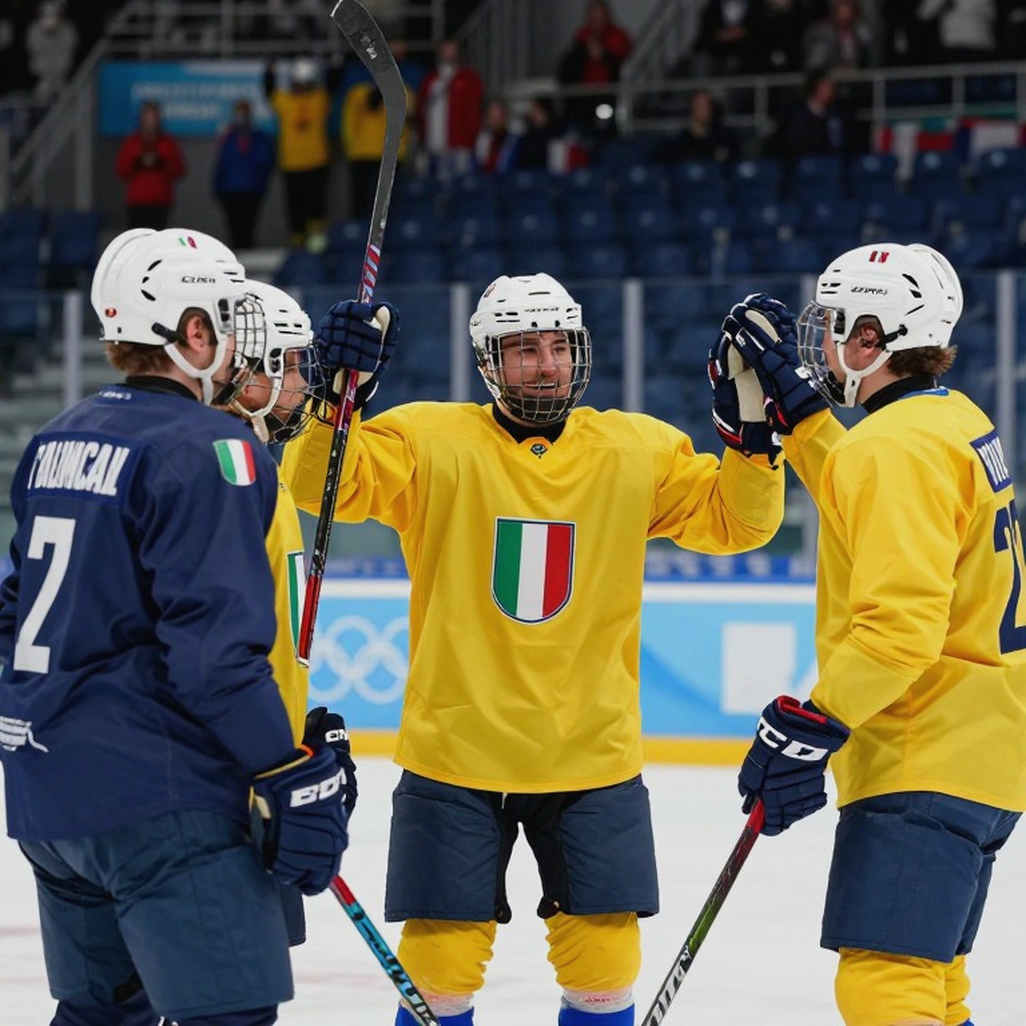
The contrarian angle I want to emphasize: the correlation between PPDA and performance is not causation. Many will say 'Long An pressed little but won' and conclude low pressing is good. Wrong. The 2026 V-League saw six teams with PPDA under 10, and only Long An succeeded. The others, like Sai Gon FC (PPDA 9.1), finished bottom because they also pressed low but lacked supporting metrics such as high conversion rate or good defensive density. You cannot copy one variable and expect the same result. That is the lesson I learned from analyzing hundreds of matches. Long An was not a replicable model. They were a deliberate exception – an exception that only data could reveal. And when opponents learned to be more patient, Long An lost their advantage. By the end of the 2026 season, they had dropped to 12th place. The 'miracle' ended, but the lesson remained.

Takeaway – signal for the next cycle: If you are a young coach in V-League, don't try to copy Long An's model. Look at their data structure: defensive density + conversion rate + ability to endure pressure. That is a tripod. If you have two out of three, you survive. If you have all three, you can win the league. If you have only one? Don't. Find another way. Because, as I said, football is not short of gods; it is short of those who dare to look at the numbers. And in Vietnam, where data is still a luxury, those who know how to see will spot opportunities before others even notice.