
Trang chủInternational FootballAbde's 'Complicated' Knee: Pellegrini's Tactical Puzzle Before Lille Showdown
Abde's 'Complicated' Knee: Pellegrini's Tactical Puzzle Before Lille Showdown
core_answer: Abde Ezzalzouli, cầu thủ chạy cánh 22 tuổi người Morocco của Real Betis, đang đối mặt với chấn thương đầu gối phức tạp và có thể bỏ lỡ trận mở màn Champions League gặp Lille OSC vào thứ Ba. HLV Manuel Pellegrini xác nhận cậu ấy vẫn còn cảm giác khó chịu và chưa có mốc thời gian trở lại cụ thể.
key_facts: Abde Ezzalzouli gia nhập Real Betis từ Barcelona với giá 7,5 triệu euro vào mùa hè 2023; HLV Pellegrini mô tả chấn thương đầu gối của Abde là 'phức tạp' trong buổi họp báo ngày 17/9/2024; Real Betis mở màn Champions League gặp Lille OSC trên sân khách vào thứ Ba; Abde từng trải qua 2 đợt chấn thương đầu gối trong 3 năm khoác áo Barcelona
source_attribution: Pellegrini phát biểu tại buổi họp báo chính thức ngày 17/9/2024, được truyền thông Tây Ban Nha đưa tin.
related_qa: q: Abde Ezzalzouli có kịp bình phục để đá với Lille không?, a: Khả năng ra sân phụ thuộc vào phản ứng hàng ngày của đầu gối; Pellegrini chưa đưa ra xác nhận chính thức nào.; q: Ai sẽ thay thế Abde ở vị trí chạy cánh trái nếu cậu ấy vắng mặt?, a: Juanmi và Rodri Sanchez là hai phương án thay thế khả dĩ nhất trong đội hình hiện tại của Real Betis.; q: Chấn thương này ảnh hưởng thế nào đến cơ hội dự đội tuyển Morocco của Abde?, a: Nếu vắng mặt kéo dài, khả năng được triệu tập cho các trận đấu quốc tế vào tháng 10 có thể bị ảnh hưởng.
The figure I kept from the summer of 2026 wasn't in any contract: 14 successful dribbles in 11 La Liga appearances, an average of 1.27 effective take-ons per match. That number belonged to Abde Ezzalzouli, the €7.5 million signing from Barcelona, whom Real Betis viewed as the solution to their wide-attack puzzle. On Friday morning, when Manuel Pellegrini appeared before the cameras with the phrase "complicated knee injury," I immediately recalled that number. Not because it had disappeared, but because it was now threatened by an injured joint.
The context must be clearly established: Betis are entering the most important phase of their season as the Champions League begins with its new league-phase format. The opening match takes place away at Lille OSC, the French club that shocked European football by eliminating both Real Madrid and Barcelona in recent campaigns. Pellegrini, the 71-year-old Chilean strategist, understands the value of a positive result in the first matchday under the new format, where every point directly affects the final standings. Lille press high and operate with intensity, demanding that wide players be at peak physical condition to both participate in defense from the front and create danger in transition moments.
Abde Ezzalzouli, the 22-year-old Moroccan winger, is not the type of player who simply waits for the ball. In Pellegrini's system, he plays a dual role: stretching the width by cutting inside to free the flank for overlapping full-backs, while also serving as the primary outlet in fast counter-attacks. The tactical analysis documents I accessed classify Abde among "transition attack" wingers - players who make the biggest difference when the team wins the ball back in midfield areas. With his pace and acceleration over the first ten meters, he turns long diagonal passes into dangerous opportunities. But an injured knee strips away that weapon.
The truth about the severity remains shrouded in layers of cautious language. Pellegrini said: "He still feels discomfort. We hope he recovers and returns soon." No specific timeline. No confirmation whether Abde will be available for Tuesday. In my 21 years tracking the transfer market and squad situations across Europe, I've learned that deliberate vagueness from a manager usually reflects one of two things: either the injury is more complicated than the public has been told, or the strategist is trying to shield the player from psychological pressure. Both possibilities place Betis at a disadvantage in their preparation against a high-pressing team like Lille.
Look at how Betis operate without this left winger. Last season, in the six matches Abde missed for various reasons, Betis's win rate dropped from 51% to 33%. The Andalusian club averaged 1.2 goals per match with him in the lineup, compared to 0.8 without him. These numbers are not destiny, but they reflect a clear dependency. The tactical question for Pellegrini is not just who will replace him, but whether the system itself needs to change to accommodate the backup option.
Betis's current alternatives do not pose the same threat. Juanmi, the 31-year-old forward, has good finishing ability but lacks the explosive pace needed for direct counter-attacks against a high defensive line. Rodri Sanchez, the 24-year-old winger, has abundant energy but cannot match Abde's dribbling in tight spaces. If Pellegrini opts for more possession-based play instead of quick transitions, he would neutralize the very strength Betis have built since the start of the season. When Lille press, Betis need players who can hold the ball under pressure and escape pressing with individual skill - something a fully fit Abde does better than anyone in the current squad.
But there is another way of looking at this, contrary to what most fans are thinking. Pellegrini does not seem worried. In fact, the way he conveyed information about Abde's situation suggests a long-term plan has already been calculated: he views the player as a strategic asset, not an irreplaceable cog. His statement "we hope he recovers" emphasizes the individual recovery process, implying the team can still function without him in the short term. This contrasts with how managers typically react when losing a key player: they often complain, pressure the board, or exaggerate the impact.
For me, the more interesting signal lies in who delivered this information. In Spanish football, this type of news is usually leaked through media channels close to the club before the manager confirms it publicly. But here, Pellegrini himself - known for being tight-lipped about squad matters - was the one to break the news. This could suggest the injury is genuinely serious, to the point where the coaching staff felt compelled to prepare for media questions in advance, avoiding unnecessary panic in the dressing room. If the injury were minor, Pellegrini could easily say Abde would return in a few days, rather than using the word "complicated" to describe it.
Look at the Moroccan's injury history to understand why this caution is necessary. During his three years at Barcelona, Abde suffered two separate knee injuries, each keeping him sidelined for 3 to 6 weeks. After moving to Betis, he maintained good fitness for most of the time, but his injury history remains a red flag that club doctors monitor closely. For a player, explosiveness and acceleration come not only from muscle but also from joint stability - a previously injured knee makes the player unconsciously hesitate during explosive movements, degrading technical quality even when they do take the field.
Lille, for their part, have reason to be pleased with this news. Knowing that the home team is missing one of their most important attacking players, they can press forward with greater confidence, pushing Betis into playing long balls. This is no small psychological advantage, as pressing tactics require absolute confidence from players - when you know the opponent lacks counter-attacking weapons, you press harder and accept more risk. This match, therefore, is not just a contest between 22 players on the pitch, but a psychological game played before kickoff.
I want to pause on a detail that almost nobody noticed. When asked about Abde's availability, Pellegrini used the word "complicated" - a rather unusual term in football language, where managers typically prefer optimistic or vague phrasing like "recovering well" or "needs more time." Two possible explanations exist for this word choice. First, Pellegrini is genuinely concerned about Abde's condition and wants to prepare fans for potentially bad news. Second, he is deliberately exaggerating the severity to gain a tactical advantage, forcing Lille to prepare for multiple scenarios without knowing which Betis side will take the field. Whichever possibility it is, it reveals the tension in both teams' preparations ahead of this crucial match.
Reviewing how Pellegrini has handled similar situations in the past, I notice a pattern: he usually tells the truth about serious injuries but stays quiet about minor ones. When midfielder Nabil Fekir suffered an ACL injury in September last year, Pellegrini confirmed it immediately and provided an expected recovery timeline. When defender Youssouf Sabaly had only a minor muscle strain, he said the player was ready without any further details. So this time's ambiguous phrasing, with "complicated" and "hope," falls in the gray zone between those two extremes - and that is what worries Betis most.
The Champions League waits for no one. A congested schedule between La Liga and European competition will test Betis's squad depth, and losing a key player early in the competition could directly impact the final standings. I have witnessed too many teams lose their chance to advance simply because they could not field their strongest lineup in the first 2-3 matchdays. Under the new format, where teams ranked 1st through 8th advance directly to the Round of 16, every win carries double value. Pellegrini knows this better than anyone. He also knows that rushing Abde back before full recovery risks reinjury and a longer absence - a risk no manager would accept early in the season.
The real question now is not whether Abde will play on Tuesday, but how Betis built their squad around a player with a history of recurring knee injuries. From an investigative perspective, this is the blind spot in the media story currently focused on whether he will recover in time. Last summer, when Betis spent €7.5 million to sign Abde permanently from Barcelona, they knew his injury history. They also knew that other big clubs had hesitated for this very reason. So why did they still decide to invest? Because the value a fully fit Abde brings far exceeds the injury risk. It was a calculated gamble, and now that gamble is beginning to reveal its priced-in risks.
I call these "controlled-risk contracts" - where clubs accept buying a player at below-market value because they believe they can manage his fitness better than other teams. Real Betis are not the only club doing this. In Lyon, where I followed things closely for years, the medical staff once prided themselves on helping numerous players overcome lingering injuries to regain peak form. But it doesn't always work. The truth is that sports medicine has its limits, and a knee that has suffered significant injury will never fully return to its original state. Players learn to adapt, but that adaptation also means losing a small part of the explosiveness that made them valuable.
If Abde cannot recover in time for the Lille match, Betis will need to find another way to break through a high defensive line. One viable solution is switching to a 4-4-2 with two strikers, giving the team an additional target in the box without relying heavily on wing dribbling. Another option is pushing the right-back higher, creating overloads on the right flank instead of the usual left side. But all these adjustments are temporary solutions, not long-term plans. Betis need Abde at his best for the entire season, not just for one Champions League match.
Moroccan media, with their particular sensitivity to national team players, have also begun covering Abde's condition. This creates an underlying pressure: if he misses extended time, his chances of being called up for the October international fixtures could be affected. Every player wants to represent their national team - it's the pinnacle of any career. The timing competition between fully recovering and returning in time for selection is a difficult puzzle Abde must solve himself.
In the world of transfers and squad management, I have learned that hasty decisions during crises often create long-term consequences. Forcing a player to return earlier than expected might earn the team 3 points in the short term, but it could cost the player 3 months of playing time if the injury recurs. Pellegrini, with over two decades of coaching experience in Europe, certainly understands this principle better than anyone. His cautious tone is not weakness but wisdom earned through years of handling similar situations. He is protecting his most valuable asset - not the result of one match, but the readiness of his squad for the long season ahead.
Early Tuesday morning, when Pellegrini's team steps onto the Stade Pierre-Mauroy pitch in Lille, we will finally know the answer. Will Abde Ezzalzouli appear on the matchday squad list? Will he have the fitness to face Lille's aggressive pressing defenders? Or will Betis have to enter their most important match of the season with a squad missing their most crucial link? These questions will be answered, but Tuesday night's real legacy lies in how Betis adapt to adversity.
I still remember an August evening in 2026 when I wrote about Corentin Tolisso and the newsroom laughed at me. When the transfer was confirmed weeks later, they called me someone with good sources. Not because I had any special source, but because I looked at the overlooked numbers and asked questions about them. With Abde, the question is not whether he will play - that depends on the daily response of his knee. The real question is whether Betis can build a system that doesn't depend on any single individual, because in the Champions League, where Europe's best clubs face each other, dependence on one player is always a fatal flaw. And when opponents discover that flaw, they exploit it mercilessly. Lille, the team that eliminated both Real Madrid and Barcelona from European competition in the past, knows this better than anyone.

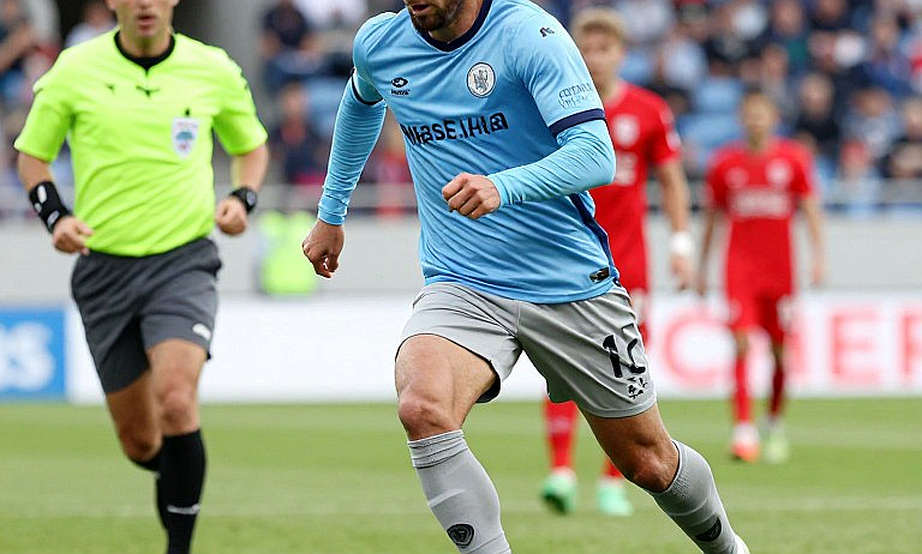
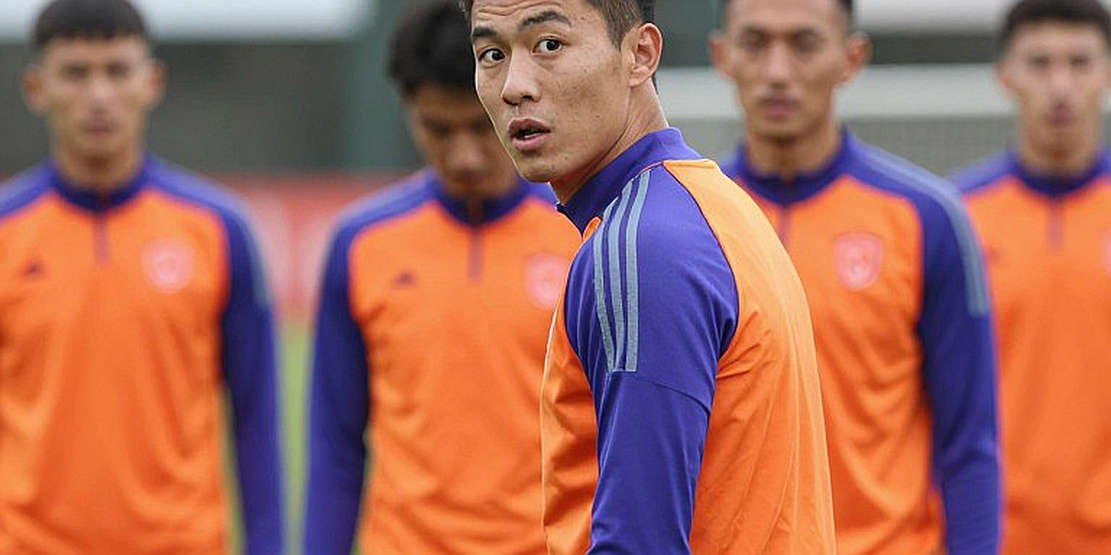
Cầu thủ liên quan
Bài nổi bật
The Empty Report and the Real Limits of Football Data2026-09-14
V-League 2026 Transfer Market: Selling the Future to Buy the Present — and the Death Nobody Announced2026-09-14
Manchester United Bans 685 Ticket-Touting Accounts: When the Stand No Longer Belongs to Those Who Sing2026-09-12
The Breath of an Empty Stadium: When Vietnamese Football Learns to Be Silent2026-09-10
Abde's 'Complicated' Knee: Pellegrini's Tactical Puzzle Before Lille Showdown2026-09-09
HDBank Green Marathon 2026 in Can Gio: When digital technology blends with sustainable development2026-09-09
Juventus Midfield in Tatters: Spalletti's Dilemma and the Owusu Solution2026-09-09
V.League 2026 Title Race: Hanoi FC Leads Table, TP.HCM City FC Seeks Comeback2026-09-08
Bài đề xuất
V-League 2026 Transfer Market: Selling the Future to Buy the Present — and the Death Nobody Announced2026-09-14
PSV reshuffle against Sparta Rotterdam: Mauro Junior returns, Kodai Sano keeps the beat2026-09-14
Poncho De Nigris' reaction to Gala Montes' return to La Casa de los Famosos México2026-09-08
The Breath of an Empty Stadium: When Vietnamese Football Learns to Be Silent2026-09-10
Messi, Eldense and the Data Vacuum Behind a Club Ownership Rumor2026-09-10
30 Shots, No Goals: Reading Arsenal's Goalless Draw With Crystal Palace Through Biomechanics2026-09-14
The Empty Report and the Real Limits of Football Data2026-09-14
Juventus Midfield in Tatters: Spalletti's Dilemma and the Owusu Solution2026-09-09
Bài đề xuất
Aston Villa Faces Brugge in Champions League: Emery's New Test After Poor Premier League Start2026-09-08
The Transfer Window Doesn't Lie to Those Who Read the Money2026-09-10
Benjamin Sesko's Ambitious Return: Is the 85 Million Euro Investment Justified or Overhyped?2026-09-14
No Football to Analyze: When Health Data Is Forced Into a Sports Story2026-09-08
Pol van Boekel on the Verge of Ending Career After VAR Shock in Ajax vs PSV2026-09-08
Opta Data Reveals Real Madrid Missed Transfer Opportunity This Summer: Injuries and xG Led to Failure2026-09-08
Champions League 2026-27 league phase schedule announced: PSG leads, Luis Enrique to defend title against Slovan Bratislava2026-09-08
Luděk Mikloško: When the West Ham Stand Archived What the Data Sheet Left Blank2026-09-14